


The Skeleton and the Skin
What Nigeria's capital funding collapse means for African healthtech, and why the companies filling the gap are building a private healthcare system from the ground up.
What the NEPP framework gets right, where it goes further than Europe, the UK, or the US, and what the rest of Africa should watch for over the next eighteen months.
On 13 February 2026, the Federal Republic of Nigeria gazetted something most African countries still do not have: a comprehensive, legally binding framework for how online pharmacies can operate. The Electronic Pharmacy Regulations, 2026 run for twenty-eight pages. They create two distinct categories of licensed entity. They mandate a centralized national platform called the NEPP. They hand the Pharmacy Council of Nigeria new powers to inspect backends, suspend platforms, and prosecute cross-border sellers with up to two years of prison time.
On paper, it is one of the most ambitious e-pharmacy rulebooks anywhere in the world.
That is not hyperbole. It is architecture. And architecture choices reveal priorities.
The regulations solve for three problems at once. The first is familiar: substandard and falsified medicines circulating through unregulated online channels, with no traceability from source to patient. The second is access, particularly for underserved regions where a regulated online pharmacy could be the only realistic pathway to authentic medicines. The third is trust, the fact that most Nigerian consumers have no reliable way to tell a legitimate online pharmacy from a scam.
To address them, the Pharmacy Council of Nigeria has built something with five structural features worth naming directly.
A dual-licensing model. The regulations distinguish between electronic pharmaceutical service providers, the entities that actually dispense, and electronic pharmacy aggregators, the third-party platforms that connect multiple providers to consumers. Each carries separate registration, separate obligations, and separate penalties. That distinction matters because it brings technology platforms, not just pharmacies, inside the regulatory perimeter.
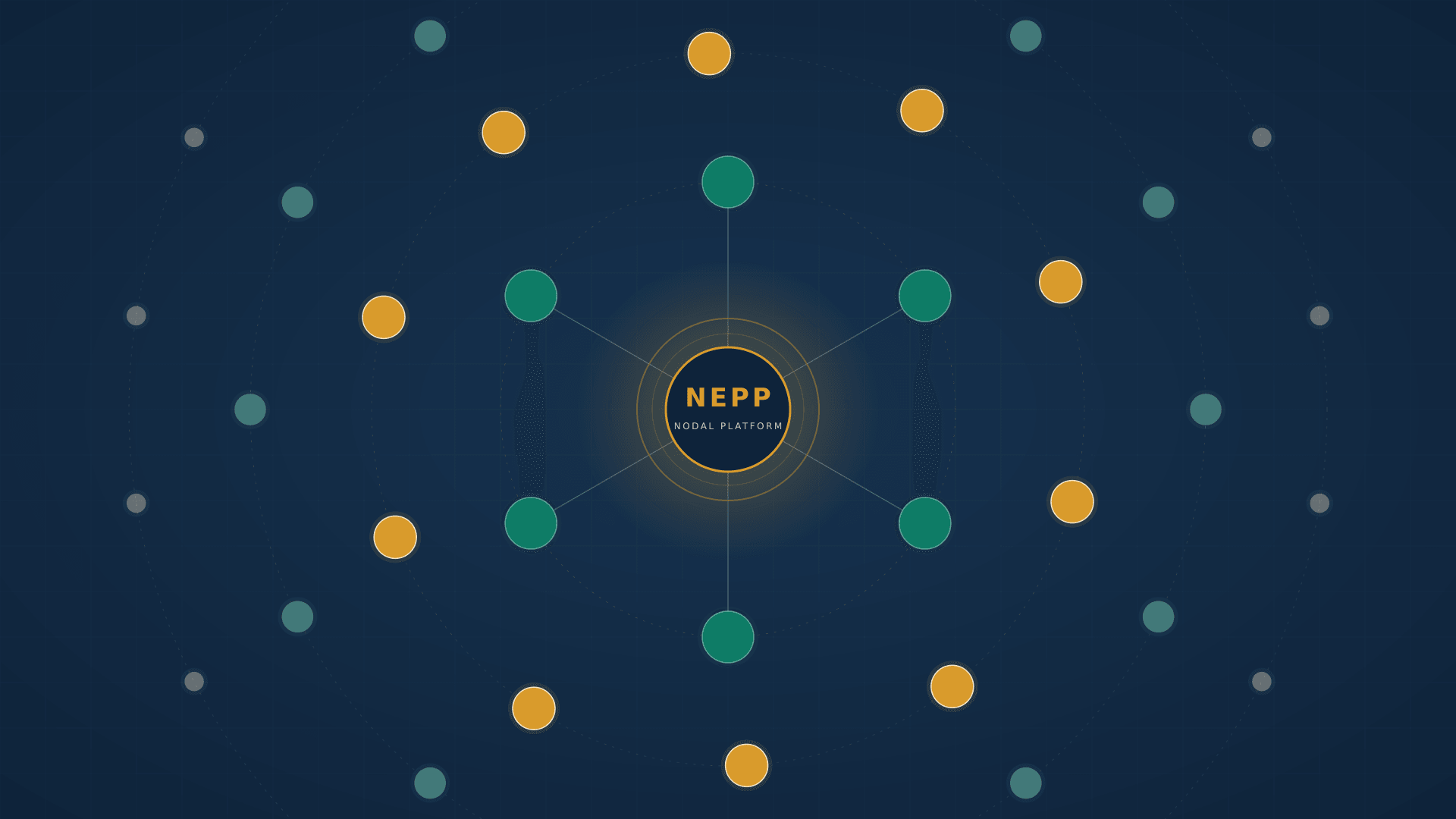
A centralized nodal platform, the NEPP. Every online drug order in Nigeria must route through the National Electronic Pharmacy Platform. Provider and aggregator platforms are required to link legally and technically to the NEPP. Transactions record synchronously. The Council can see the whole market through a single data window.
A superintendent pharmacist model. Every licensed entity must designate a named, registered pharmacist who is accountable for the service. No anonymity for operators, even behind a technology platform.
A single trust mark. The authorized PCN logo becomes the consumer-facing signal of legitimacy. Displaying it without authorization is a criminal offence carrying two years of prison time.
A default ban on cross-border sale. Online drug sales from Nigeria to abroad, or from abroad to Nigeria, are prohibited except for life-saving medicines under tightly documented conditions.
Seven regulatory features against ten jurisdictions. Hover any cell for detail. Nigeria is highlighted.
| Jurisdiction | Dedicated e-pharmacy law |
Centralized nodal platform |
Aggregator category |
Official trust mark |
Data-protection integrated |
Cross-border restriction |
Criminal penalties |
|---|---|---|---|---|---|---|---|
| Nigeria (2026) | ● | ● | ● | ● | ● | ● | ● |
| South Africa | ○ | ○ | ○ | ○ | ◐ | ◐ | ◐ |
| Kenya | ○ | ○ | ○ | ○ | ◐ | ◐ | ◐ |
| Ghana | ○ | ○ | ○ | ○ | ◐ | ◐ | ◐ |
| Rwanda | ○ | ○ | ○ | ○ | ◐ | ◐ | ◐ |
| European Union | ● | ○ | ○ | ● | ● | ◐ | ● |
| United Kingdom | ◐ | ○ | ○ | ◐ | ● | ◐ | ● |
| United States | ○ | ○ | ○ | ◐ | ◐ | ◐ | ● |
| India | ◐ | ○ | ◐ | ○ | ◐ | ◐ | ◐ |
| Japan | ● | ○ | ○ | ○ | ● | ● | ● |
Nigeria's ambition stands out more sharply when set against the rest of the continent.
South Africa has a sophisticated medicines regulator in SAHPRA, but no dedicated e-pharmacy framework. Online sale of medicines sits in a shared-responsibility grey area between SAHPRA, which regulates the product, and the South African Pharmacy Council, which regulates the practice.1 A 2024 study in Health SA Gesondheid surveyed websites selling scheduled medicines in South Africa and found that none of them requested a prescription at checkout.2
Kenya regulates pharmacies through the Pharmacy and Poisons Board, which was established under an Act that dates to 1957. Kenya has modernized in pieces. The Board's 2025 Guideline on the Regulation of Medical Device Software is a genuinely progressive document. But there is no dedicated e-pharmacy regulation.3
Ghana, Rwanda, and Egypt all have functional medicines regulators. None has a dedicated e-pharmacy framework comparable in scope or specificity to Nigeria's.
The practical consequence across most of Africa is that online pharmacy operates in a grey zone. General medicines law covers the product. General pharmacy law covers the practice. Neither was written with e-commerce in mind. The gap between the two has been where substandard and falsified medicines have found their route to market.
This is where the Nigerian architecture gets genuinely interesting.
The European Union addressed online pharmacy through the Falsified Medicines Directive, 2011/62/EU. Since July 2015, every legally operating online pharmacy in the EU must display a common logo on every page of its website. Clicking the logo redirects the consumer to the national competent authority's list of verified operators.4 The design is federated by choice. Each member state maintains its own register. The logo acts as a verification handshake across those national lists. There is no single platform.
The United Kingdom took a similar approach through its internet pharmacy logo scheme. As of 31 December 2025, that scheme has been discontinued entirely.5 Online pharmacies in Britain now rely on displaying their regular General Pharmaceutical Council registration number, the same number any physical pharmacy would display. Architecturally, Britain moved from a marker of online legitimacy back to a unified register for both physical and online pharmacies.
The United States is even less centralized. Federal law addresses some categories of drug distribution, but pharmacy practice itself is regulated state-by-state. The closest thing to a national online pharmacy framework is the National Association of Boards of Pharmacy's Digital Pharmacy Accreditation programme, formerly known as VIPPS, which has existed since 1999 and accredits approximately eighty sites on a voluntary basis.6
India offers the starkest contrast of all. The Ministry of Health and Family Welfare first published draft e-pharmacy rules in August 2018. As of early 2026, they are still draft rules.7 Seven and a half years of consultation, court orders, and missed deadlines. Nigeria went from policy publication to commenced regulations in roughly eighteen months.
Major regulatory milestones, ordered chronologically. Green dots are enacted frameworks. Gold is voluntary. Muted is draft-only.
Every jurisdiction that has addressed online pharmacy has chosen one of three structural approaches. The choice reflects what the regulator is prioritizing.
Architecture choices reveal priorities.
A federated approach, like the EU's, privileges national sovereignty and regulatory plurality. Each country keeps its own list. A universal logo offers consumer assurance without imposing shared infrastructure. The cost is coordination. The benefit is flexibility.
A patchwork approach, like the US's, privileges innovation and legal familiarity. Pharmacy has always been state-regulated, so a federal online pharmacy framework would be culturally jarring. The cost is fraud risk. The benefit is lower regulatory barrier for legitimate operators.
A centralized nodal approach, which is what Nigeria has chosen with NEPP, privileges enforcement and data aggregation. Every online drug order routes through a single platform. Every provider and aggregator links to it legally and technically. The cost is execution risk. The benefit is that the Pharmacy Council can see the entire market in real time, can detect violations across providers, and can theoretically shut down a bad actor at the gateway layer rather than one website at a time.
That choice is not an accident. Nigeria has a specific combination of regulatory scarcity and market risk that makes centralized architecture appealing. The Federal Ministry of Health and Social Welfare and the Pharmacy Council are trying to leapfrog, not iterate. The question is whether execution will match ambition.
The framework is only as good as its implementation. Three concrete gaps to watch.
The NEPP does not yet exist as operational technology. The regulations commit the Council to publishing implementation guidelines, but those guidelines are not yet public. Every provider and aggregator is now legally required to link to a platform that is not yet built.
The Pharmacy Council has to absorb a significant new workload. Two licence streams. Backend inspections. Risk Management Framework reviews. Prescriber authentication. All at once. For a regulator that has historically been paper-heavy, this is a capacity transformation, not just a compliance exercise.
The aggregator ecosystem is thin. Nigeria does not yet have a mature layer of profitable online pharmacy aggregator platforms. The regulations presume one will form, and presume it will bear the cost of registration with three agencies, a Risk Management Framework, NDPA compliance, and NEPP integration. Some of those platforms will consolidate. Others will simply never enter the market.
None of this makes the framework wrong. It makes the framework a bet. Bets can be won.
Three lessons, none of them specifically about e-pharmacy.
Ambition is possible. A Nigerian regulator moved from policy to gazetted regulation in roughly eighteen months on a technically complex topic. That is faster than India's seven-year draft purgatory and roughly on par with the EU's timeline from directive to operational logo. Institutional velocity is a policy choice, not an endowment.
Centralized architecture is a choice, not a default. Most African countries will face similar e-pharmacy questions in the next three to five years. The EU federated model is not the only template available, and may not be the right one for markets where consumer trust in e-commerce is low and regulatory capacity is concentrated at the centre. Nigeria's NEPP choice deserves honest study rather than automatic copying or automatic dismissal.
The test of a framework is implementation, not wording. Nigeria has the rulebook. What it builds between now and 31 December 2026, when the first round of licence renewals comes due, will tell us whether this is a continental model or a cautionary tale.
It is worth watching either way.
Research-driven writing on healthcare, technology, policy, and the systems that shape care across Africa.







Member discussion